Drinks
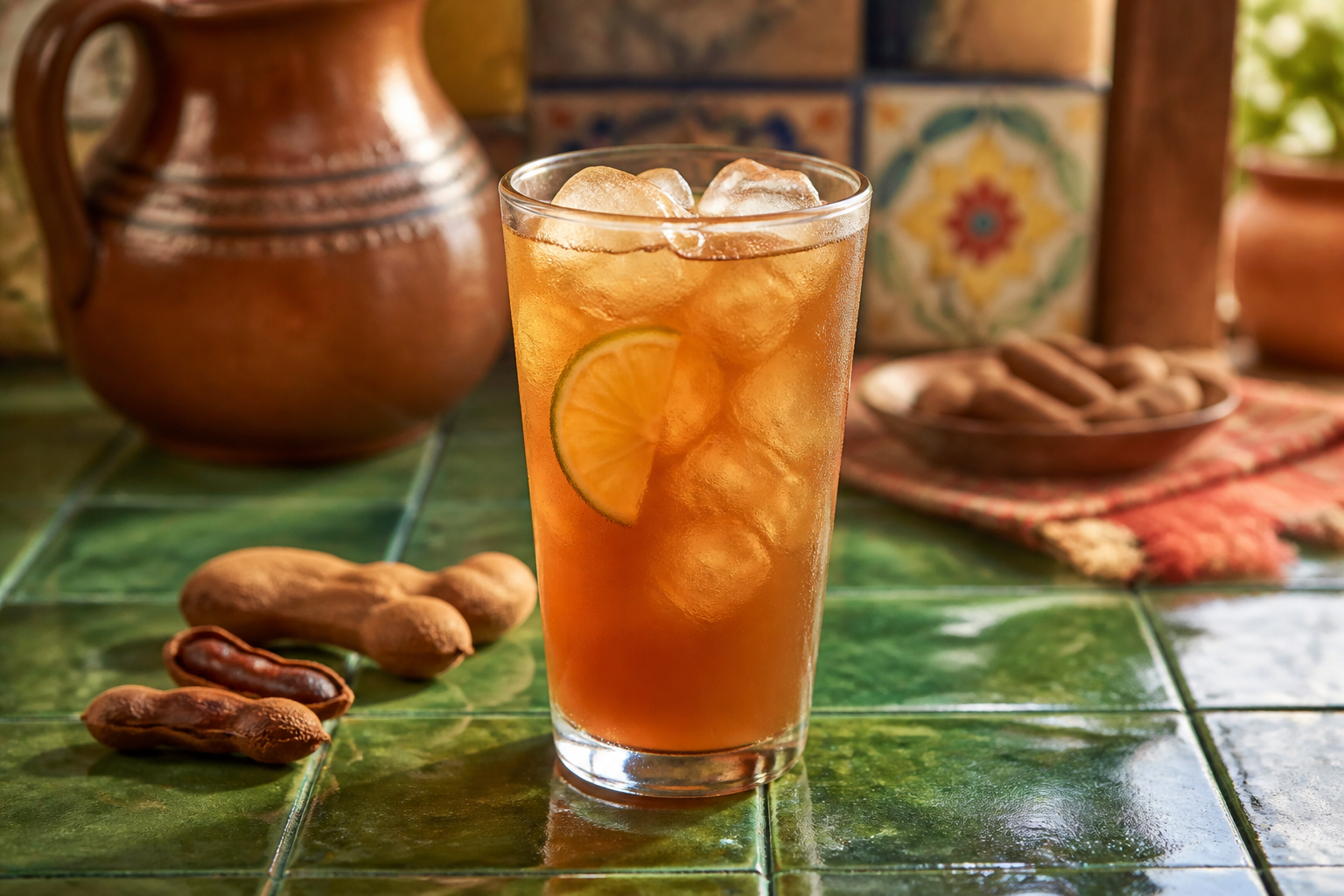
Agua de Tamarindo
Tamarind pulp is simmered, mashed, and strained into a tangy-sweet agua fresca with deep fruit character and a clean, refreshing finish.
Inspired by Traditional Mexican tamarind agua fresca
Prep
20 min
Cook
12 min
Serves
8 servings
Difficulty
Easy
Pantry match
Uses the current servings and temporary recipe changes.
Missing 3 ingredients
- • 8 ounces dried tamarind pods, shells and coarse strings removed
- • 8 cups filtered water, divided
- • 1 small pinch fine sea salt
View ingredient-by-ingredient match
- 8 ounces dried tamarind pods, shells and coarse strings removedMissing
- 8 cups filtered water, dividedMissing
- 1 small pinch fine sea saltMissing
Optional ingredients are not counted as required.
Cook smarter
- Read the full method once before starting.
- Prep ingredients first for a smoother cook.
- Use the print button for a cleaner kitchen copy.
Guided cooking
Cook one clear step at a time
Your place is saved on this device.
Method
Recipe notes
Natural tamarind varies considerably in acidity and pulp yield, so the listed sugar is a starting point rather than a command to erase its tang. Simmering softens the pod pulp; mashing and pressing—not blending the hard seeds—extracts flavor without grit or woody fragments.
Planning, storage, and serving
Storage and reheating
Refrigerate in a covered pitcher for up to 4 days and stir before every pour because natural tamarind solids settle. Do not store it over ice.
Make-ahead tips
Prepare and chill the full drink a day ahead. Hold back a little sugar until serving because acidity and sweetness are easiest to judge cold.
What to serve with it
- - Tacos al pastor
- - A spicy torta
- - Fresh fruit with chile and lime
Equipment needed
- - Medium saucepan
- - Potato masher or sturdy spoon
- - Medium-mesh strainer and pitcher
Difficulty explained
Shelling takes a little time, but simmering and straining provide a forgiving extraction with clear visual cues.
Recipe calculator
Nutrition facts
Alternatives
Apply a reviewed substitution to this temporary working copy. The published recipe stays unchanged.
Browse reviewed options
Seedless tamarind block (use 1 1/2 times the listed weight)
Use 12 ounces seedless tamarind block for each 8 ounces unshelled dried pods because the block has no shell waste.
Cane sugar
Use the same amount of fine cane sugar.
Coconut sugar
Use the same amount of coconut sugar when its caramel flavor and darker color suit the recipe.
Type the ingredient you're missing — we'll find what you can use instead.
Pitfalls to Watch Out For
- Blending whole tamarind seeds can create hard fragments and bitterness; mash the softened pulp and strain instead.
- Judging sweetness while warm can lead to an overly sweet cold drink, so reserve some sugar for final adjustment.
- A fine coffee filter removes too much flavorful pulp and clogs; use a medium mesh and accept slight natural settling.
Nutrition Context
- Tamarind contributes fruit acids and a small amount of minerals and fiber, though much of the coarse fiber is strained out.
- Added sugar is the main calorie source and can be adjusted to the natural sweetness of the pods.
FAQ
Can I use tamarind concentrate?
Yes, but brands vary greatly. Dilute a small amount into water, taste, and add gradually rather than using the pod quantity one-for-one.
Why does pulp settle?
Fine tamarind solids naturally pass through a medium strainer. Stir before pouring; the settling is not spoilage.
How sweet should it be?
It should remain distinctly tangy. Start with the listed sugar and adjust only after the drink is cold.
Do I need to remove every string?
Remove the thick, easy-to-pull fibers. The finer ones will be caught during straining.
Can I carbonate it?
Replace part of the final cold water with sparkling water immediately before serving and stir gently.
What sides pair best with this dish?
Its tang works especially well with tacos al pastor, spicy tortas, or chile-lime fruit.