

Coffee
Café-Style Classic Cappuccino
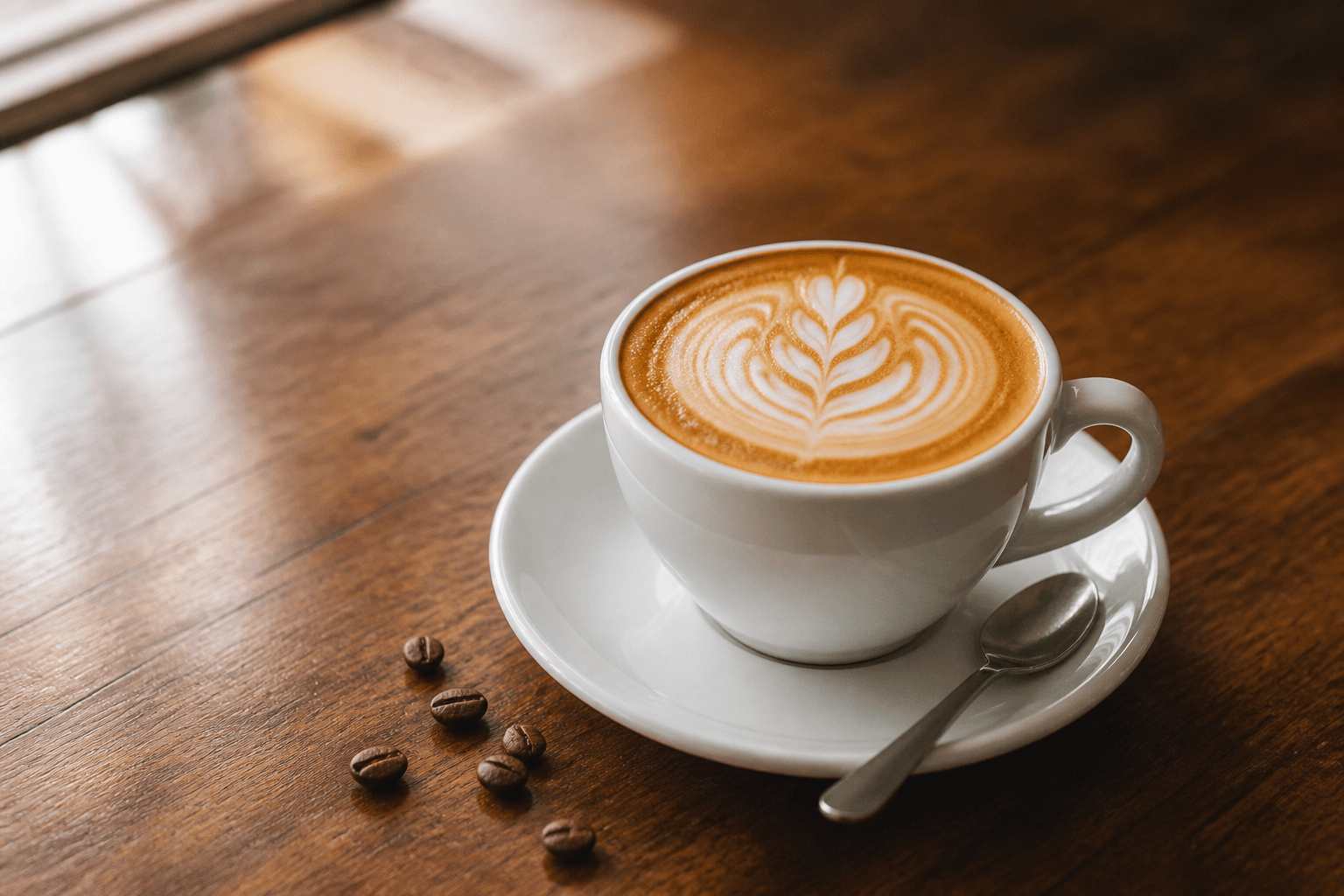
A balanced hot cappuccino with a concentrated double espresso, silky steamed milk, and a resilient cap of fine microfoam.
Inspired by Italian café cappuccino
Prep
5 min
Cook
5 min
Serves
1 serving
Difficulty
Medium
Cooking Tools
Pantry match
Uses the current servings and temporary recipe changes.
Missing 3 ingredients
- • 18 grams finely ground espresso coffee
- • 2 ounces filtered water, for brewing
- • 4 ounces cold whole milk
View ingredient-by-ingredient match
- 18 grams finely ground espresso coffeeMissing
- 2 ounces filtered water, for brewingMissing
- 4 ounces cold whole milkMissing
Optional ingredients are not counted as required.
Cook smarter
- Read the full method once before starting.
- Prep ingredients first for a smoother cook.
- Use the print button for a cleaner kitchen copy.
Guided cooking
Cook one clear step at a time
Your place is saved on this device.
Method
Recipe notes
Traditional cappuccino depends more on texture than decoration. Cold whole milk gives the longest working time, and stopping below 155°F keeps it naturally sweet. The finished drink should taste of espresso and milk in equal measure rather than like a large milky latte.
Planning, storage, and serving
Storage and reheating
Serve immediately. Espresso loses aroma and microfoam separates within minutes; do not refrigerate or reheat a finished cappuccino.
Make-ahead tips
Premeasure beans and chill the pitcher, but grind, extract, and steam to order. Flush and warm the espresso machine before service.
What to serve with it
- - A butter croissant
- - Biscotti
- - Fresh berries
Equipment needed
- - Espresso machine with steam wand
- - Coffee grinder and scale
- - Small milk pitcher and thermometer
Difficulty explained
Dialing in espresso and creating fine microfoam take practice, but temperature and timing give clear targets.
Recipe calculator
Nutrition facts
Alternatives
Apply a reviewed substitution to this temporary working copy. The published recipe stays unchanged.
Browse reviewed options
Strong brewed coffee
Use strong, fully chilled brewed coffee when espresso is unavailable.
2% milk
Use the same amount of 2% milk for a straightforward lower-fat swap.
Unsweetened oat milk
Use an equal amount of unsweetened oat milk for a widely available dairy-free swap.
Type the ingredient you're missing — we'll find what you can use instead.
Pitfalls to Watch Out For
- Large soap-like bubbles mean the steam tip stayed too high; keep it just beneath the surface after the first stretch.
- Milk heated above 160°F tastes cooked and loses sweetness, so stop steaming at 140 to 150°F.
- A sour, fast shot needs a finer grind; a bitter shot that barely drips needs a coarser grind.
Nutrition Context
- Whole milk contributes protein, calcium, and saturated fat, while unsweetened espresso adds very few calories.
- Added sugar is optional because properly steamed milk develops noticeable natural sweetness.
FAQ
What is the right milk temperature?
Stop steaming between 140 and 150°F; carryover heat may raise it a few more degrees.
Why are there big bubbles?
The steam tip introduced air for too long or sat above the surface. Stretch briefly, then create a whirlpool.
Can I make this without an espresso machine?
Use strong moka-pot coffee and froth heated milk separately, accepting a less café-like texture.
Can I use plant milk?
Barista oatmilk is the most forgiving option; other plant milks may separate or produce thinner foam.
How is a cappuccino different from a latte?
A cappuccino is smaller and has a stronger espresso presence with more aerated milk than a latte.
What sides pair best with this dish?
A croissant, biscotti, or fresh berries suits the compact bittersweet coffee.