
Noodles
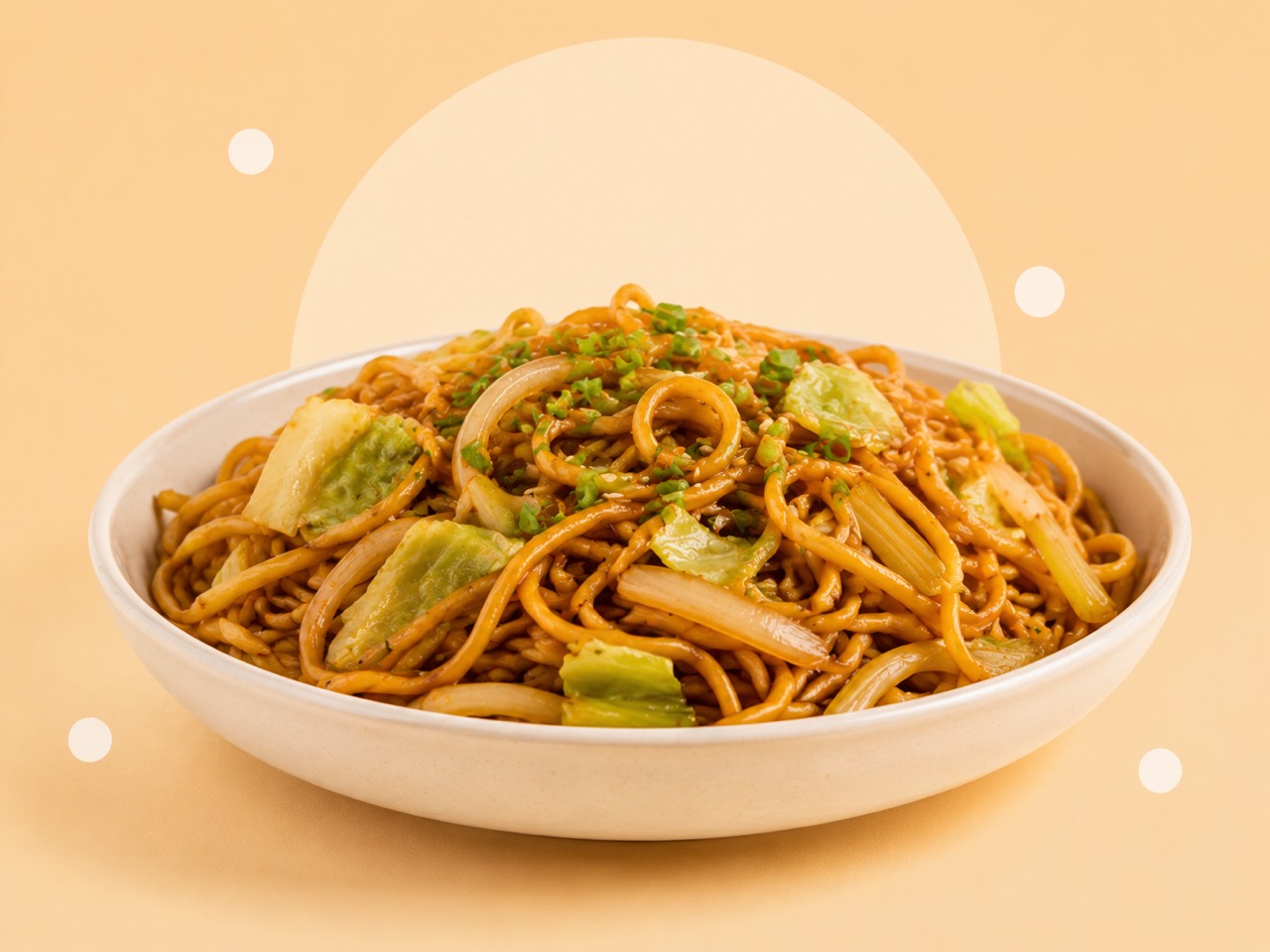
Panda Express Inspired Chow Mein
Tender chow mein noodles stir-fried with cabbage, celery, onions, and a savory soy-based sauce. This simple yet flavorful side dish pairs perfectly with homemade orange chicken, Beijing beef, or your favorite stir-fry.
Inspired by Panda Express
Prep
10 min
Cook
15 min
Serves
4 servings
Difficulty
Easy
Cooking Tools
Pantry match
Uses the current servings and temporary recipe changes.
Missing 9 ingredients
- • 8 ounces chow mein noodles
- • 2 tablespoons vegetable oil
- • 2 cups shredded cabbage
- • 1 cup sliced celery
- • 1/2 onion, thinly sliced
- • 3 tablespoons soy sauce
- • 1 tablespoon oyster sauce
- • 1 teaspoon sesame oil
- • 1/2 teaspoon black pepper
View ingredient-by-ingredient match
- 8 ounces chow mein noodlesMissing
- 2 tablespoons vegetable oilMissing
- 2 cups shredded cabbageMissing
- 1 cup sliced celeryMissing
- 1/2 onion, thinly slicedMissing
- 3 tablespoons soy sauceMissing
- 1 tablespoon oyster sauceMissing
- 1 teaspoon sesame oilMissing
- 1/2 teaspoon black pepperMissing
Cook smarter
- Read the full method once before starting.
- Prep ingredients first for a smoother cook.
- Use the print button for a cleaner kitchen copy.
Guided cooking
Cook one clear step at a time
Your place is saved on this device.
Method
Recipe notes
Boil noodles only until barely tender, rinse briefly, and oil them lightly so they remain separate. A wide, fully heated skillet allows sauce to caramelize on the noodles instead of pooling underneath.
Planning, storage, and serving
Storage and reheating
Cool promptly, refrigerate in a shallow airtight container, and use within 3 days. Reheat in a hot skillet with a teaspoon of water or oil until steaming; freezing is not recommended because noodles and cabbage soften.
Make-ahead tips
Slice vegetables and mix the sauce up to 1 day ahead. Cook noodles a few hours early, rinse, oil lightly, and refrigerate; stir-fry everything just before serving.
What to serve with it
- - Orange chicken
- - Stir-fried tofu or beef
- - Steamed broccoli or snap peas
Equipment needed
- - Large pot
- - Wok or very wide skillet
- - Tongs or two spatulas
Difficulty explained
The recipe is easy, but high heat and continuous tossing are needed to avoid soft, steamed noodles.
Recipe calculator
Nutrition facts
Alternatives
Apply a reviewed substitution to this temporary working copy. The published recipe stays unchanged.
Browse reviewed options
Tamari
Use tamari in the same amount for a similar savory profile.
Spaghetti
Use the same dry weight of spaghetti when chow mein noodles are unavailable.
Canola oil
Use canola oil in the same amount.
Type the ingredient you're missing — we'll find what you can use instead.
Pitfalls to Watch Out For
- Fully cooking noodles in water leaves them mushy after stir-frying; stop while they still have a little bite.
- A crowded or cool pan steams cabbage and noodles; use the widest pan available and work in batches if necessary.
- Soy and oyster sauces are salty, so taste before adding extra salt and use lower-sodium versions if desired.
Nutrition Context
- Noodles provide most carbohydrate, vegetables add some fiber, and oil plus sesame oil contribute fat; soy and oyster sauces make sodium significant.
- Adding more cabbage and celery or a lean protein can make the serving more varied without increasing the sauce.
FAQ
Why should the noodles be slightly undercooked first?
They continue cooking in the hot wok and absorb sauce. Fully soft boiled noodles can become mushy during stir-frying.
What can replace oyster sauce?
Use vegetarian mushroom stir-fry sauce, or combine extra soy sauce with a small pinch of sugar. The replacement will be less deeply savory.
How do I get light caramelization without burning?
Use a wide hot skillet, avoid crowding, and keep tossing. Let noodles contact the surface briefly between tosses while watching the sauce.
Can I add protein to the chow mein?
Yes. Add thin cooked chicken, beef, shrimp, or tofu after the vegetables and before the noodles so everything heats evenly.
How should leftover chow mein be reheated?
Refrigerate promptly and reheat in a hot skillet with a teaspoon of water or oil. Toss just until hot to avoid overcooking the noodles.
What sides pair best with this dish?
Good pairings include Orange chicken; Stir-fried tofu or beef; Steamed broccoli or snap peas. Choose one or two based on how substantial you want the meal to be.