Pasta
Panera Inspired Mac & Cheese
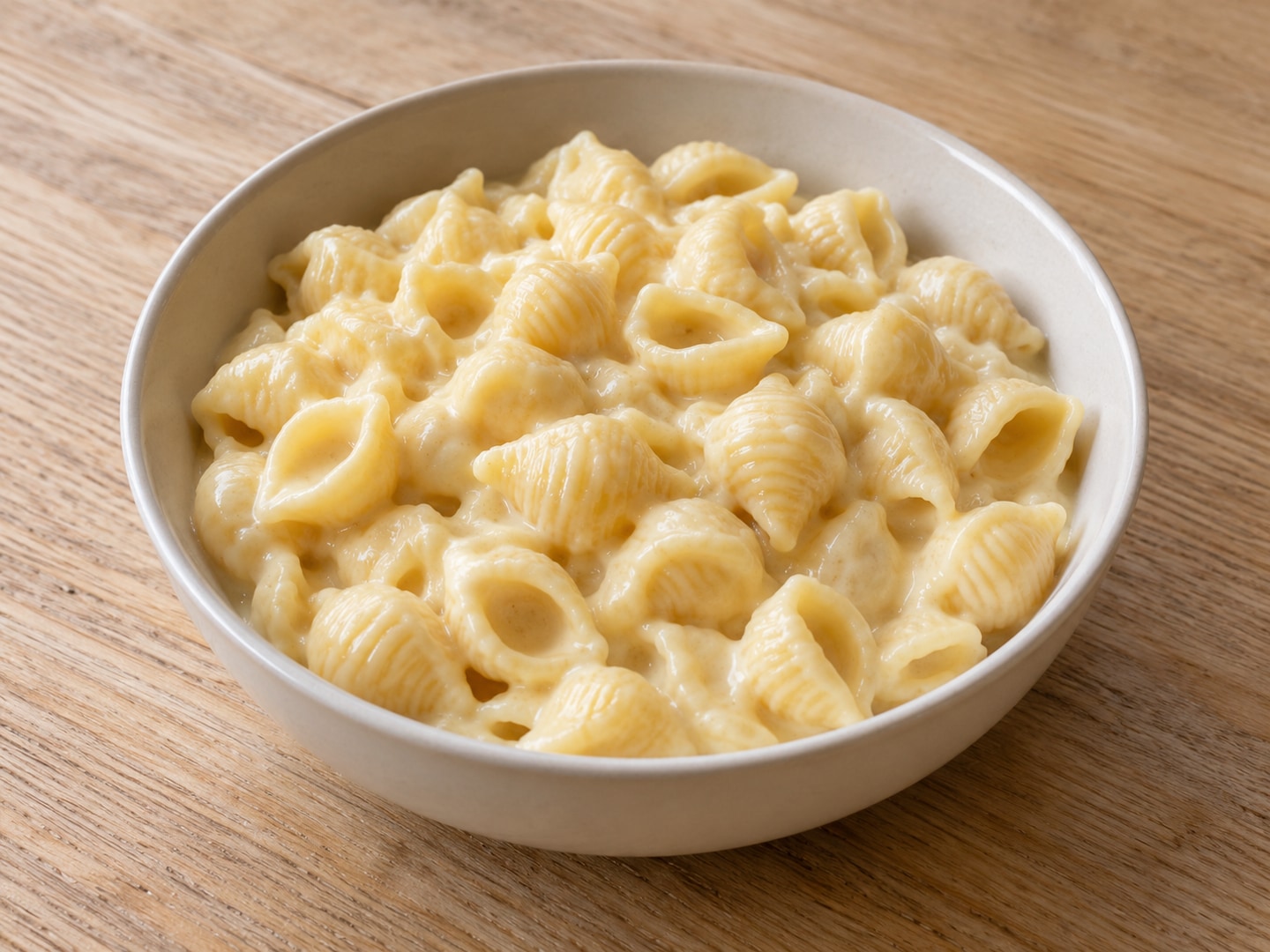
Ultra-creamy macaroni coated in a rich white cheddar cheese sauce with a smooth, velvety texture. This comforting copycat recipe captures the signature flavor of Panera's famous mac and cheese.
Inspired by Panera Bread
Prep
10 min
Cook
20 min
Serves
6 servings
Difficulty
Easy
Cooking Tools
Pantry match
Uses the current servings and temporary recipe changes.
Missing 8 ingredients
- • 16 ounces elbow macaroni or shell pasta
- • 4 tablespoons unsalted butter
- • 1/4 cup all-purpose flour
- • 2 cups whole milk
- • 1 cup heavy cream
- • 2 cups white cheddar cheese, shredded
- • 1 cup sharp cheddar cheese, shredded
- • 1/2 teaspoon Dijon mustard
View ingredient-by-ingredient match
- 16 ounces elbow macaroni or shell pastaMissing
- 4 tablespoons unsalted butterMissing
- 1/4 cup all-purpose flourMissing
- 2 cups whole milkMissing
- 1 cup heavy creamMissing
- 2 cups white cheddar cheese, shreddedMissing
- 1 cup sharp cheddar cheese, shreddedMissing
- 1/2 teaspoon Dijon mustardMissing
Optional ingredients are not counted as required.
Cook smarter
- Read the full method once before starting.
- Prep ingredients first for a smoother cook.
- Use the print button for a cleaner kitchen copy.
Guided cooking
Cook one clear step at a time
Your place is saved on this device.
Method
Recipe notes
Undercook the pasta by about a minute because it continues softening in the sauce. Melt freshly shredded cheese over low heat and use reserved pasta water only after the sauce and pasta are combined.
Planning, storage, and serving
Storage and reheating
Refrigerate in a shallow airtight container within 2 hours and use within 3 days. Reheat gently with a splash of milk, stirring often; freezing is possible but not recommended because the sauce can become grainy and pasta soft.
Make-ahead tips
Shred cheese and measure the roux ingredients a day ahead. The complete dish is best fresh, but it can be made several hours early and reheated slowly with milk.
What to serve with it
- - Roasted broccoli or green beans
- - Tomato-cucumber salad
- - Grilled chicken for added protein
Equipment needed
- - Large pasta pot
- - Heavy saucepan
- - Whisk and box grater
Difficulty explained
This easy stovetop dish depends on a smooth roux and low heat when the cheese is added.
Recipe calculator
Nutrition facts
Alternatives
Apply a reviewed substitution to this temporary working copy. The published recipe stays unchanged.
Browse reviewed options
Half-and-half
Use an equal amount of half-and-half for a lighter cream sauce.
Evaporated milk
Use an equal amount of evaporated milk when you want dairy richness with less fat.
2% milk
Use the same amount of 2% milk for a straightforward lower-fat swap.
Type the ingredient you're missing — we'll find what you can use instead.
Pitfalls to Watch Out For
- Pre-shredded cheese can make the sauce grainy; shred blocks and add the cheese a handful at a time.
- A rapidly boiling cheese sauce may split; take the pan off high heat before adding cheese.
- If leftovers look dry, do not reheat at full power; use low heat and small additions of milk.
Nutrition Context
- Pasta and dairy make this rich in carbohydrate, protein, calcium, and saturated fat; cheese and seasoning also contribute considerable sodium.
- A smaller serving beside vegetables or protein creates a more varied meal than using a very large bowl as the only component.
FAQ
Why reserve pasta water?
Its starch loosens thick cheese sauce while helping it cling to the pasta. Add only a splash at a time.
Why is the cheese sauce grainy?
Pre-shredded cheese or excessive heat is usually responsible. Shred cheese fresh and melt it gradually after lowering the burner.
Can I omit the Dijon mustard?
Yes, but it adds subtle sharpness that balances the cream. A tiny pinch of mustard powder is an alternative.
Can I bake this mac and cheese?
You can transfer it to a dish and broil briefly with crumbs, but prolonged baking absorbs sauce and reduces the signature creamy texture.
How do I reheat it without drying it out?
Warm slowly with a splash of milk, stirring until creamy. Refrigerate leftovers within two hours and use within three to four days.
What sides pair best with this dish?
Good pairings include Roasted broccoli or green beans; Tomato-cucumber salad; Grilled chicken for added protein. Choose one or two based on how substantial you want the meal to be.